Understanding your brain and body changes everything.
Faces of Health offers two practical learning pathways for adults navigating ADHD, autism, chronic illness, and chronic stress — and for the clinicians and organizations that support them. Built by a psychologist with both clinical expertise and lived experience at this exact intersection.
Built for everyday learners
and doctoral-level clinicians
Our courses are designed to be accessible for any adult, while delivering the clinical depth and current scientific grounding appropriate for licensed psychologists and other doctoral-level mental health professionals.
Two learning pathways. Real skills. Built for how your brain and body actually work.
Most mental health education was designed for a general audience. Faces of Health was designed for people who need something more specific — tools that account for neurodivergence, chronic illness, and the way stress affects the whole body, not just the mind.
Pathway 1: Stress and Chronic Illness For people who want to understand how stress lives in the body — affecting energy, health, emotions, and daily capacity — and learn regulation skills that work in real life, including on hard days.
Pathway 2: Adult ADHD and Autism For people who want to understand how their brain works, build genuine self-awareness, reduce shame, and develop executive functioning skills that are actually designed for their brain — not borrowed from a one-size-fits-all model.
Pathway 1: Stress and Chronic Illness For people who want to understand how stress lives in the body — affecting energy, health, emotions, and daily capacity — and learn regulation skills that work in real life, including on hard days.
Pathway 2: Adult ADHD and Autism For people who want to understand how their brain works, build genuine self-awareness, reduce shame, and develop executive functioning skills that are actually designed for their brain — not borrowed from a one-size-fits-all model.
Two pathways, one foundation
Stress and chronic illness. Adult ADHD and autism. Two distinct learning pathways built on the same neuroscience-informed foundation — so you can start where you are and build from there.
Practical from the first lesson
Every course translates research into specific, usable skills — at home, at work, at school, mid-flare, mid-shutdown. Not theory. Not eventually. Now.
Designed for how you actually learn
Short modules. Audio versions, transcripts, and e-books for different ways of taking in information. Quizzes for retention. Self-paced, accessible, and built to work with how neurodivergent and chronically ill brains actually learn.
Why Faces of Health exists
I kept seeing the same gap. People getting diagnosed — or finally getting language for experiences they'd had their whole lives — walking away with helpful recommendations and a roadmap, and then running into the harder question: how do I actually do this in daily life? How do I work with my brain on hard days, in real conditions, with the energy and time I actually have? That practical, lived-in layer is what most resources weren't offering — especially for neurodivergent and chronically ill people.
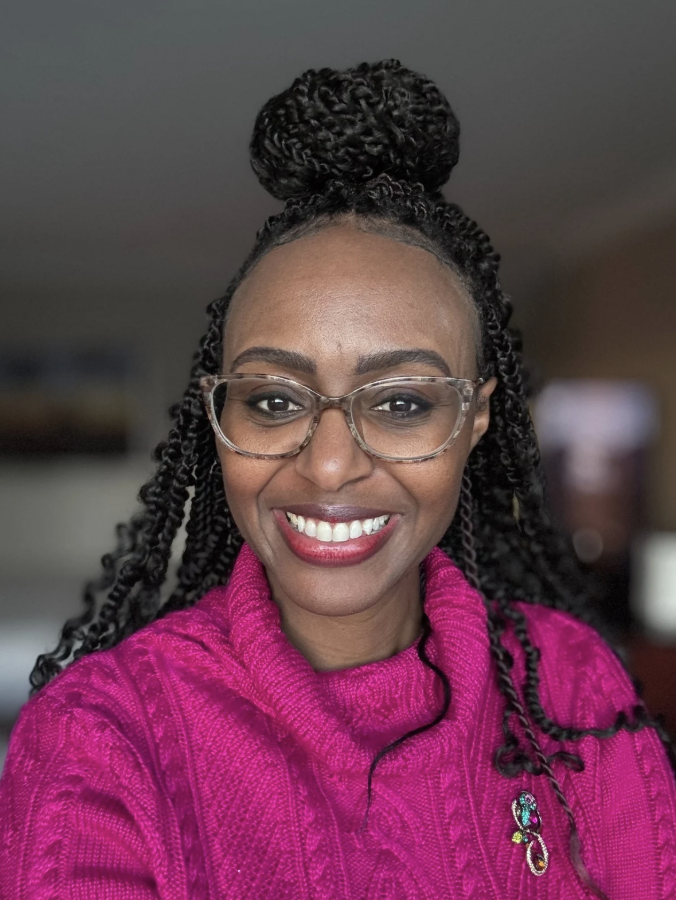
Built by someone
who lives
this
Clinically grounded, not generally adapted
A
strengths-
based
approach
Made for the populations most often missed
Our Courses
Never miss our news.
Subscribe to our newsletter!
Thank you!
Created with